
Beyond Four Walls
Professional Development for Educators - at the Farm
Hands-on professional development that gets educators out of the conference room and into an environment where they can move, observe, experiment, reflect and learn together.
Designed for Early Childhood & Elementary Educators
Beyond Four Walls experiences can be customized for:
Preschool & Childcare Centers
Public & Private Schools
Early Childhood Teams
Homeschool Educators/Co-ops
Administrative & Leadership Teams
Professional Development That Counts
Half-day and full-day options available. Eligible experiences can earn EEC professional-development hours/CEUs
Tell Us What Your Team Needs
Maybe you’re looking for new classroom ideas. Maybe your teachers are burned out. Maybe you want to get your students outside more. Maybe communication among your staff could use some work.
Tell us what’s happening in your program, and we’ll build a day around it.
-
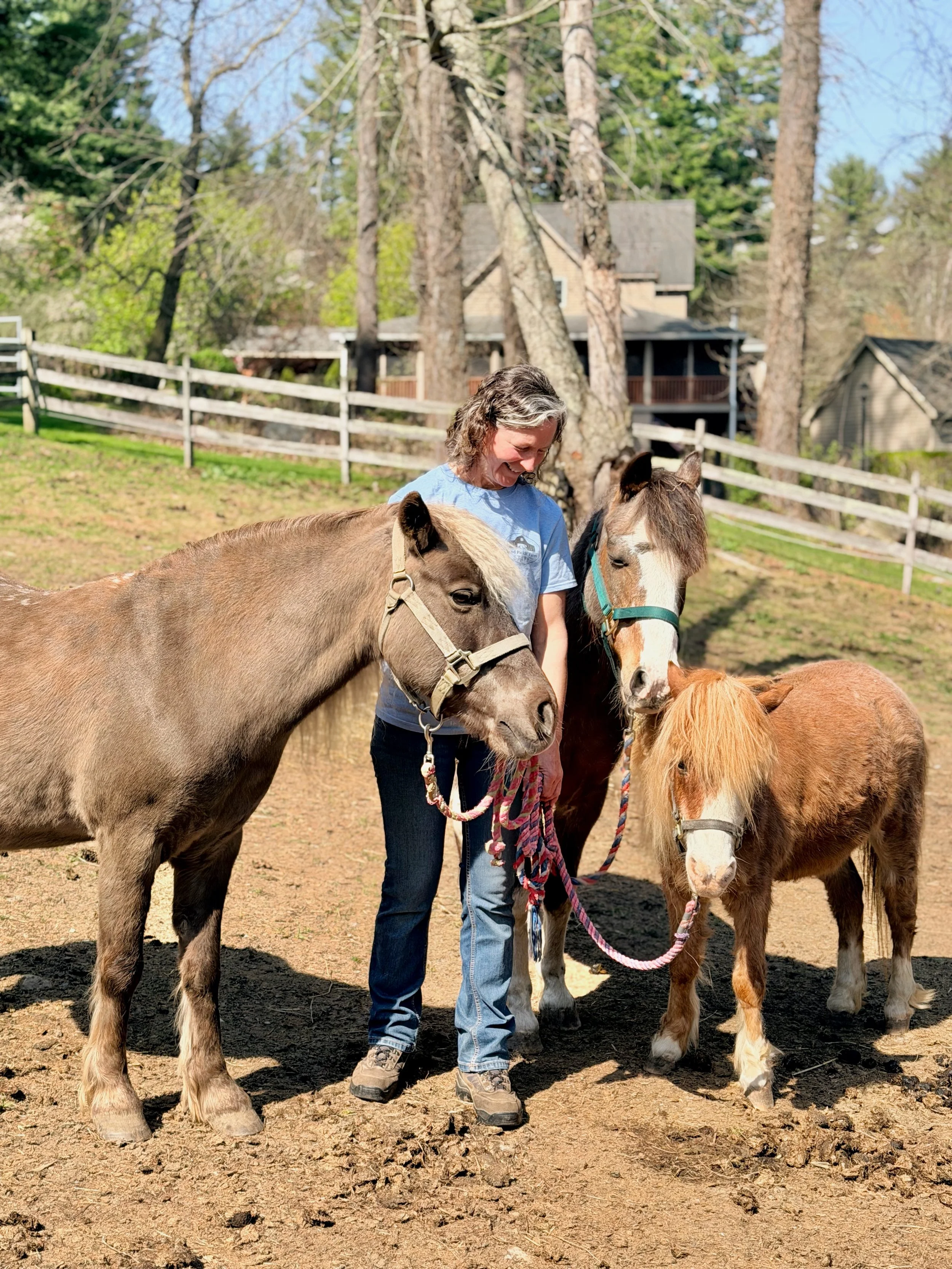
Animals as Teachers
Learning with the Herd
What Animals Tell Us
Learning Through Animal Behavior
Take a Hike With the Herd -
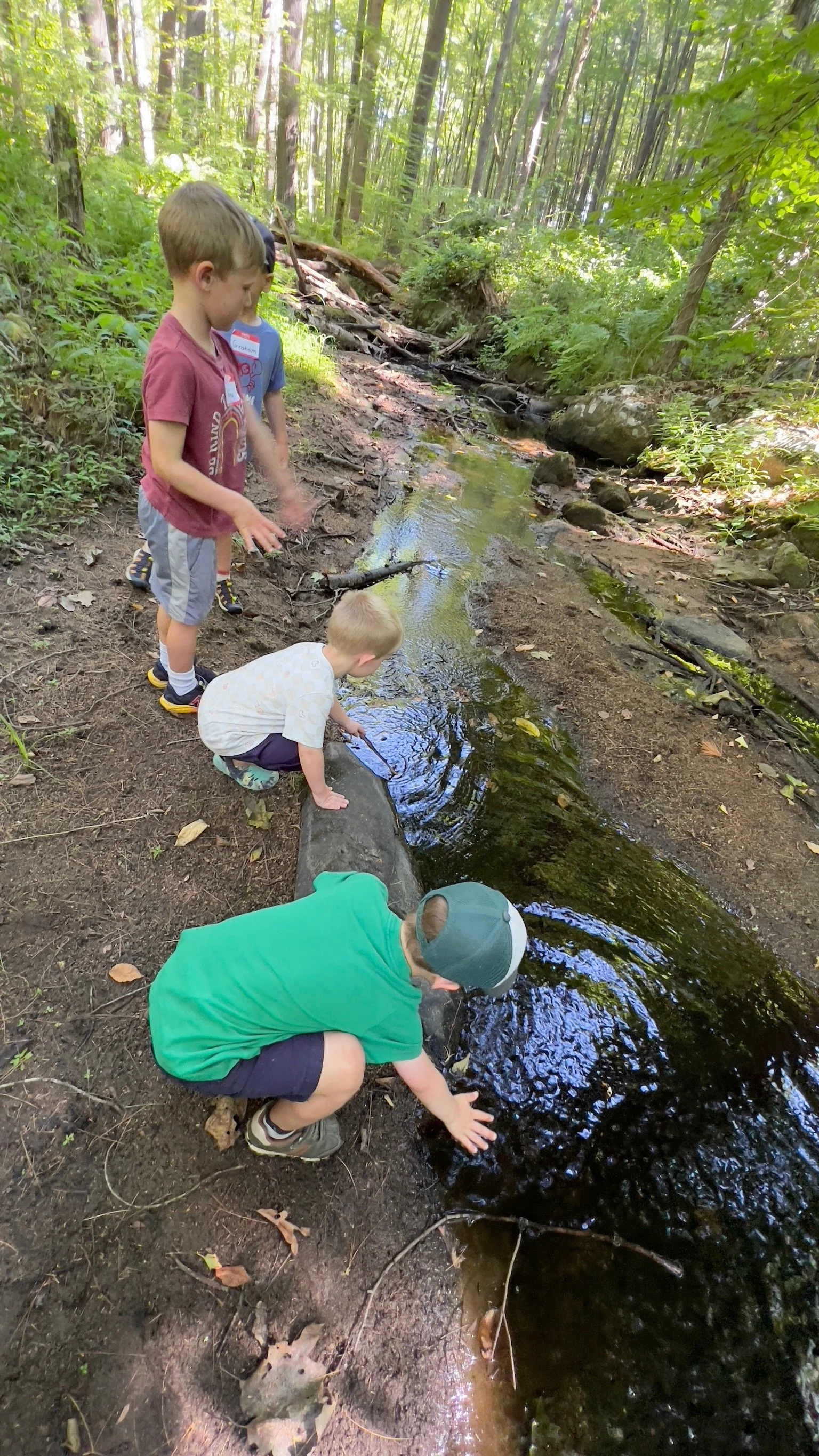
Learning Through Nature
Nature as the Classroom
Risky Play: Why Kids Need it
Big Body Learning
Slow Down & Notice -
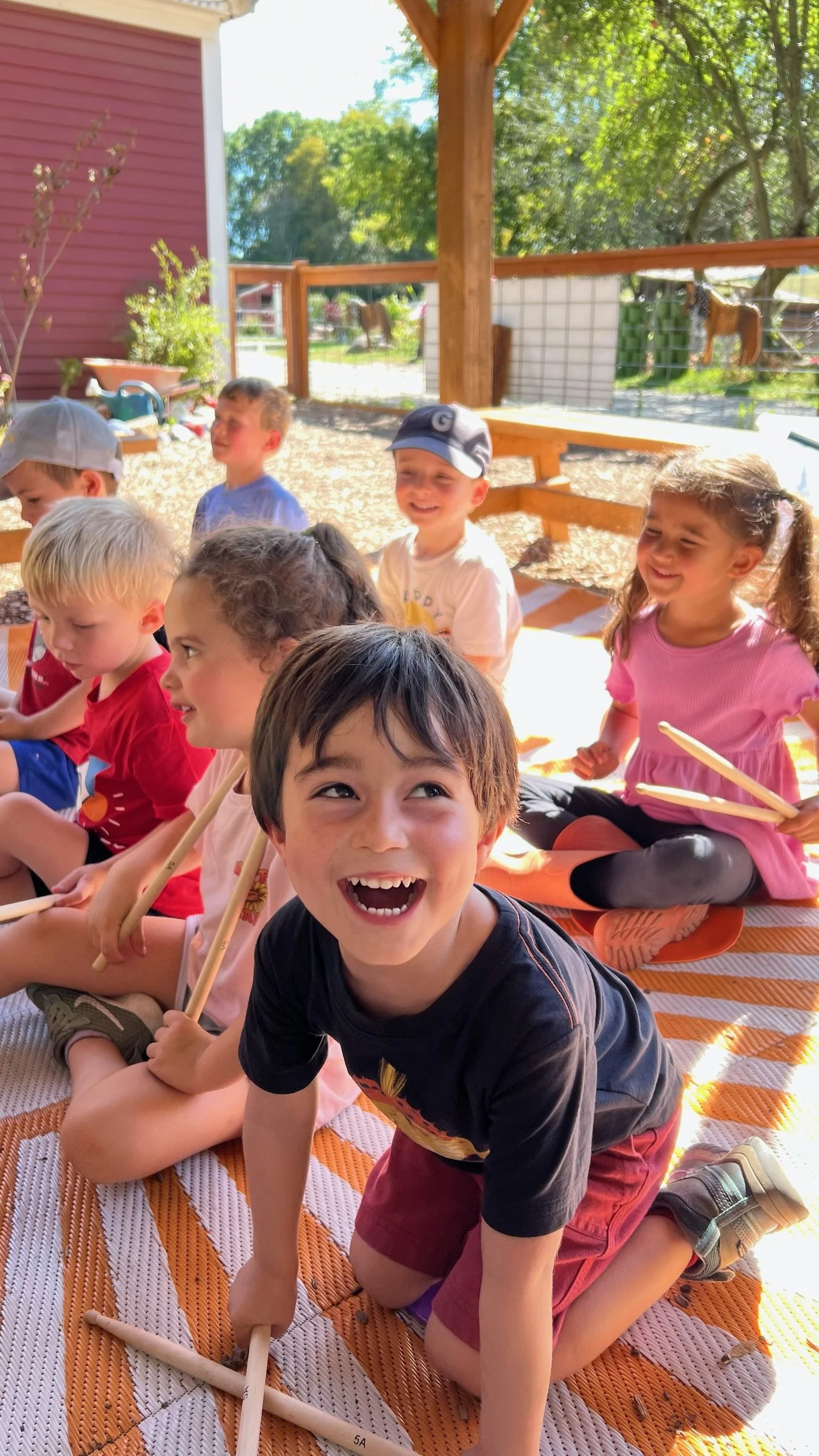
Tools for the Classroom
Move, Sing & Play
Social-Emotional Learning
Farm-to-Classroom
Team Communication
Examples of Customized PD Days
-
Stronger Together
“Our staff needs to work better together.”
Communication
Leadership
Learning With the Herd
Hike With the Herd
Team Agreements
-
Reset & Reconnect
“Our teachers are burned out.”
Animals
Regulation
Music & Movement
Goat Hike
Reflection
-
The Outdoors IS the Curriculum
“We want to get our kids outside more.”
Outdoor Curriculum
Risky Play
Goat Hike
Animal Observation
Nature-Based Learning
-
Behavior Is Communication
“Our teachers struggle with challenging behaviors.”
Regulation - Animal Behavior - Big Body Learning - Music & Movement - Classroom Strategies
Experiences We Can Build Into Your Day
Learning With the Herd
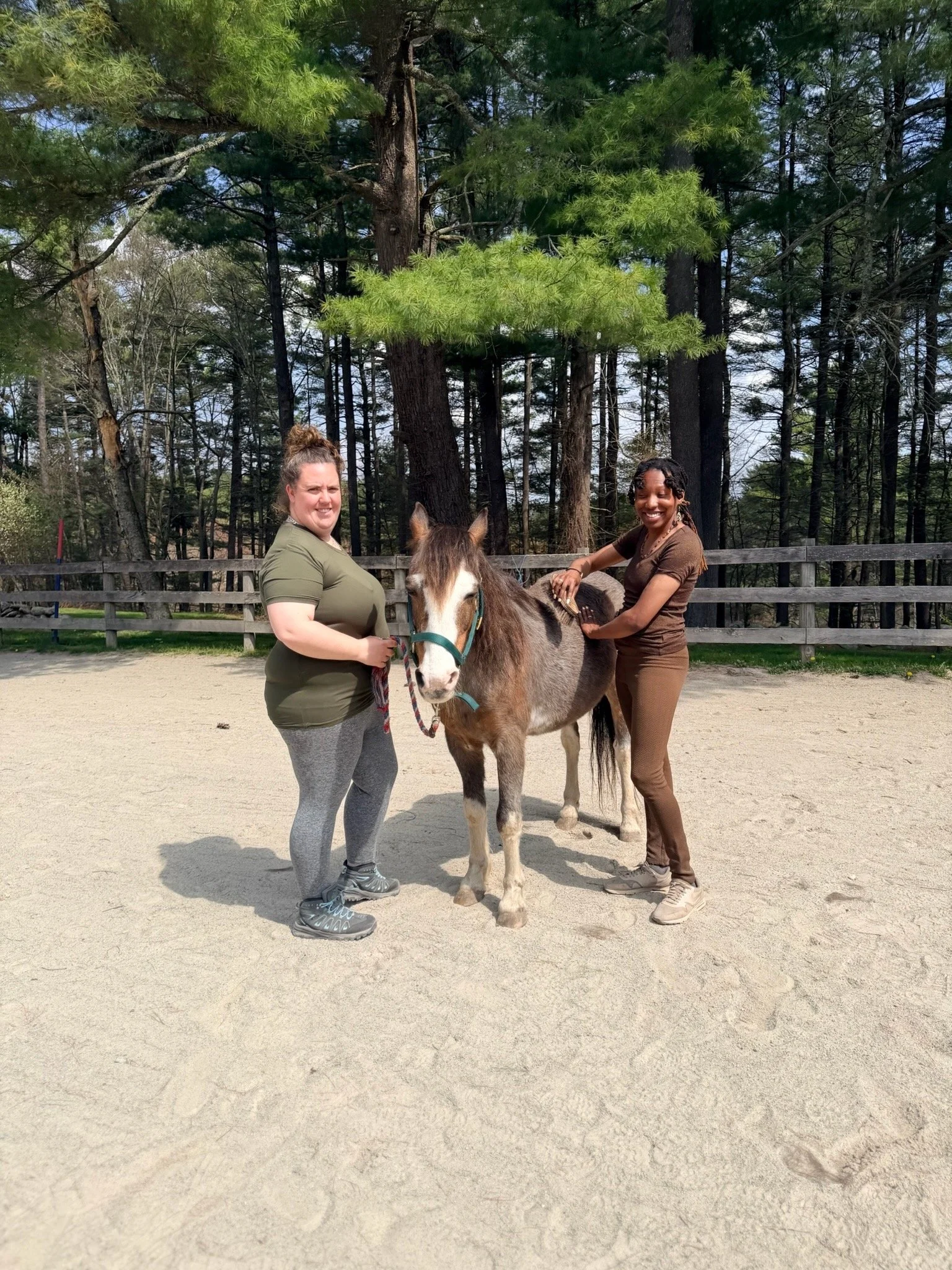
Explore communication, leadership, trust, regulation and teamwork through guided interactions with horses.
Move, Sing & Play
Learn songs, movement games and rhythm activities with Dr. Tish that you can bring straight back to your classroom.
What Animals Tell Us
Observe livestock behavior and discover how curiosity and careful observation can become child-led learning.
Take a Hike With the Herd
Walk with the goats while exploring movement, nature, animal behavior and outdoor learning.
Learning Through Animal Behavior
Explore how animals communicate, problem-solve, set boundaries and build relationships - and what we can learn from watching them.
Nature as the Classroom
Discover simple ways to turn sticks, mud, leaves, weather and everyday outdoor spaces into meaningful learning experiences.
Big Body Learning
Explore how movement, sensory experiences and active play can support learning, regulation and development.
Risky Play: Why Kids Need It
Take a fresh look at climbing, balancing, exploring and reasonable risk - and learn to distinguish risk from hazard.
Farm to Classroom
Turn animals, agriculture, food and the changing seasons into engaging opportunities for science, math, literacy and more.
Slow Down & Notice
Practice the art of observing before directing and learn out better questions can make room for children’s curiosity.
The Growing Classroom
Turn an underused school garden into a space for curiosity, responsibility and year-round learning.
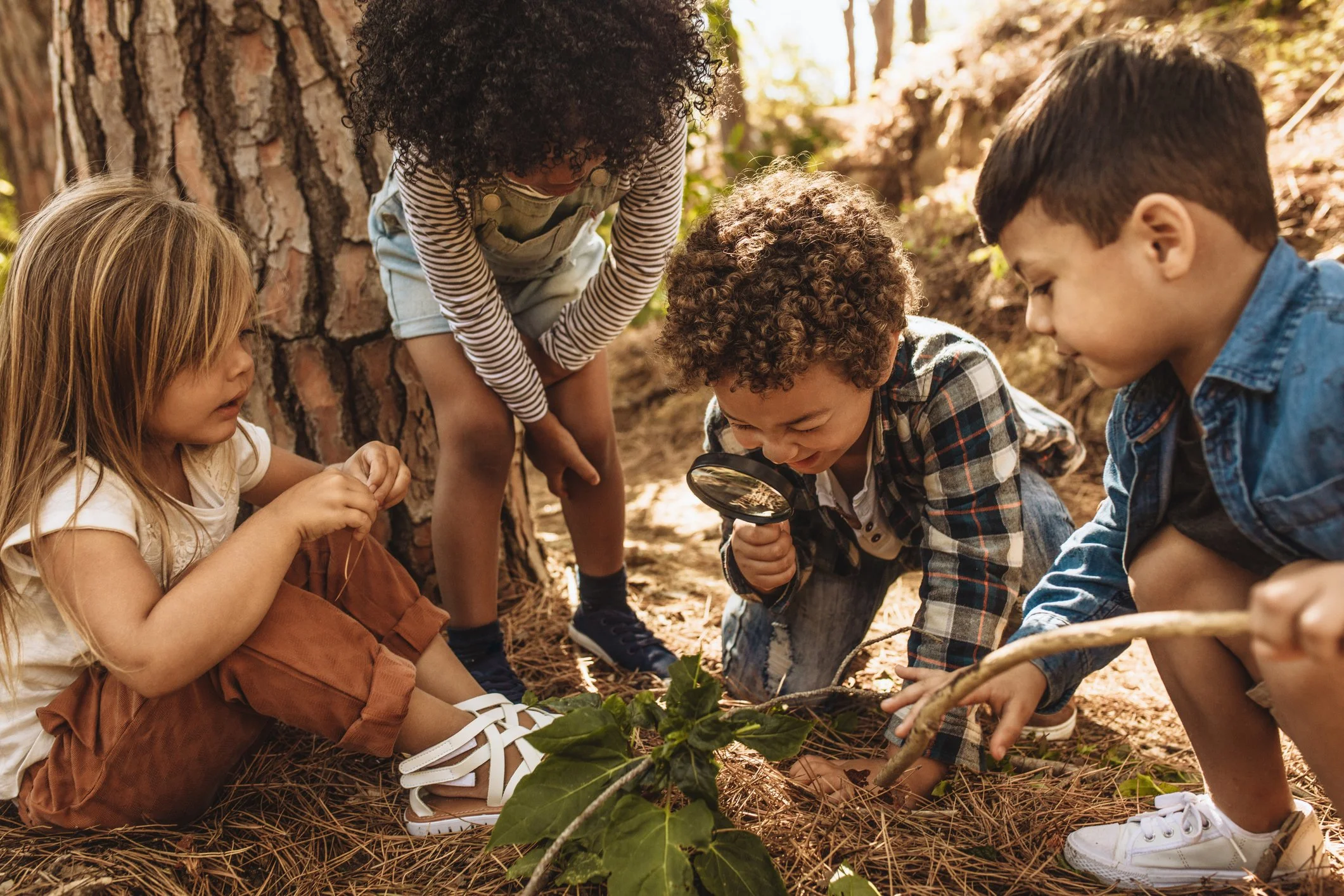
First Aid & CPR Certification
Take care of required training while you're here! Add First Aid & CPR certification to your team's Beyond Four Walls experience.
And I actually think this is a pretty significant selling point for directors. If they have a full PD day when the center is closed anyway, being able to say “We'll get your staff CPR/First Aid certified AND give them a genuinely enjoyable professional development experience” makes the day much easier for a director to justify.
Seasoned Educators, Fresh Perspectives
Great educators never stop learning, even after years or decades in the classroom.
Beyond Four Walls can be tailored to meet educators wherever they are in their careers, including experienced teams who already have a strong foundation in child development, curriculum, and classroom practice.
For seasoned educators, our programs aren’t about going back to basics. They’re an opportunity to step outside the familiar, see teaching and learning through a different lens, and reconnect with the why behind the work.
Through hands-on experiences with nature, animals, movement, play, and one another, experienced educators can:
See familiar challenges differently. Animal behavior, outdoor environments, and experiential activities can offer new perspectives on regulation, communication, relationships, and behavior.
Refresh established practices. Explore new ways to approach concepts you may have been teaching for years, and discover small shifts that can make a meaningful difference.
Become the learner again. Add a horse to an activity and suddenly even the most seasoned educator is navigating something new. Working with animals takes people outside their usual expertise and creates a powerful opportunity to experience uncertainty, communication, problem-solving, trust, and learning in real time.
Learn through experience. Instead of simply talking about play, risk, regulation, connection, or teamwork, educators experience these concepts themselves and reflect on how they translate to children.
Share expertise with one another. Experienced teams bring a tremendous amount of knowledge to the table. Our programs create space for discussion, collaboration, and learning from colleagues as well as facilitators.
Reconnect with curiosity. Spending time outside the classroom can remind educators what it feels like to explore, experiment, take appropriate risks, make mistakes, and learn through doing, the same things we ask children to do every day.
Return with fresh eyes. Sometimes professional growth isn’t about learning an entirely new strategy. It’s about seeing your children, your environment, and your own practice a little differently.
Whether your team includes first-year educators, professionals with decades of experience, or a mix of both, we adapt the experience to build on what they already know and give them something new to think about.
Experience gives you knowledge. Continuing to explore gives you perspective.
Ready to Get Beyond Four Walls?
Tell us a little about your team, what you’d like to work on, and what you’re hoping to get out of your professional development day. We’ll help you build an experience that fits.
Programs are customized to your team’s size, goals and schedule. Experiences take place throughout the farm and can include a combination of indoor and outdoor learning.